
Ottenete una crescita folle dei capelli in pochi minuti con questo prodotto!
Siete pronte a trasformare i vostri capelli senza l'impegno a lungo termine di tagli sbagliati e tinte chimiche? Salutate le bellissime extension di capelli umani tape in, la soluzione definitiva per chi desidera lunghezze lussuose e ciocche voluminose!
Ottenere ciocche fluenti e belle senza sforzo non è più un sogno irrealizzabile. Grazie alla facilità di installazione e rimozione, le extension di capelli umani tape in stanno rapidamente diventando la scelta preferita dagli appassionati di capelli e bellezza.
Vi mostriamo come è facile usare queste fantastiche extension di capelli umani Remy. Si fondono perfettamente con i vostri capelli naturali, regalandovi una chioma da invidia, elevando il vostro stile e facendovi notare ovunque andiate!
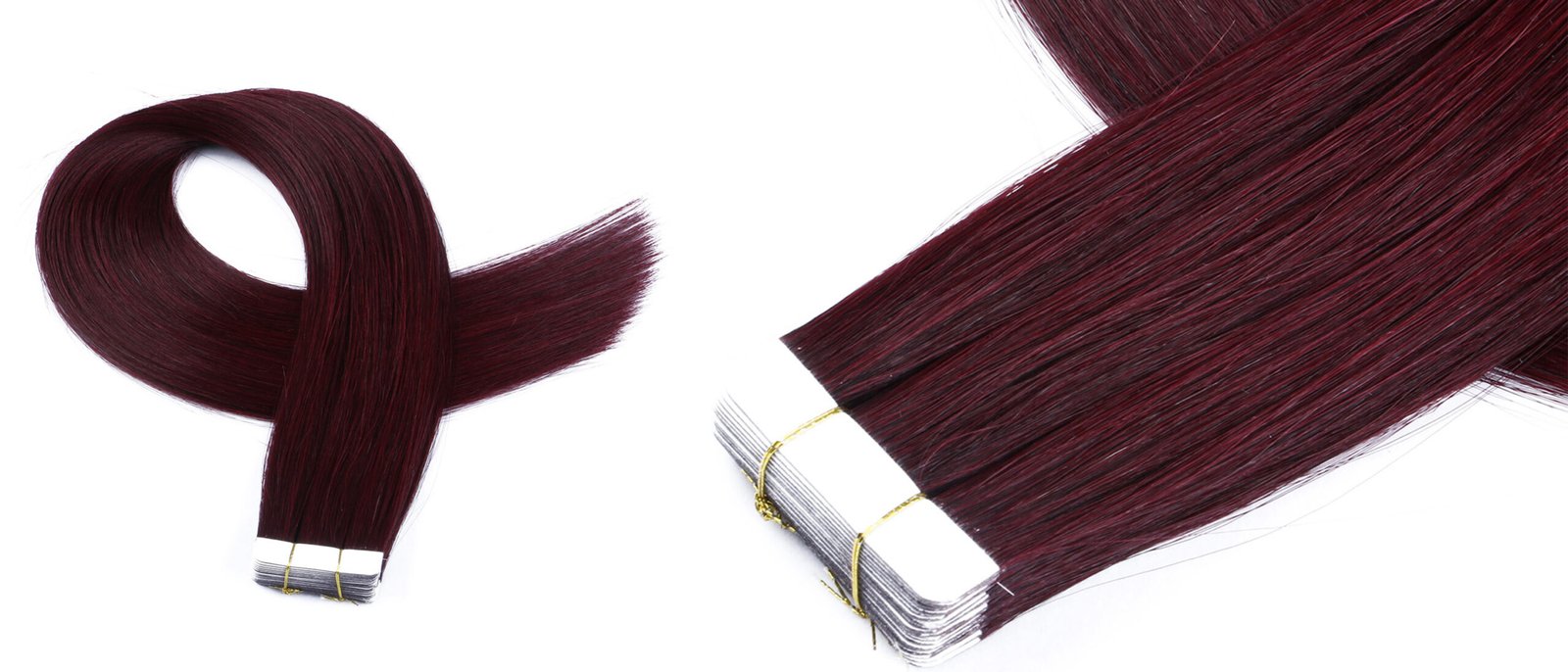
Cosa sono le extension per capelli Tape-In?
Le extension tape-in sono realizzate con capelli umani di alta qualità e sono dotate di nastro adesivo nella parte superiore di ciascuna extension. Si applicano inserendo i capelli naturali tra le due extension, creando un look naturale e senza soluzione di continuità. Con una cura adeguata, possono durare diverse settimane prima di dover essere riapplicate, il che le rende economiche e di lunga durata.
Le extension per capelli con nastro sono estensioni semi-permanenti disponibili in varie texture, colori e lunghezze, che consentono di personalizzare il proprio look senza sforzo.
Da Reddmoon offriamo estensioni di capelli umani 100% Remy tape in di alta qualità che si fondono perfettamente con le vostre ciocche naturali. Queste estensioni vi regalano capelli voluminosi, lunghi e dall'aspetto sano che elevano il vostro aspetto e aumentano immediatamente la vostra sicurezza e il vostro stile.
Quanto durano le extension tape in?
Le extension Reddmoon tape-in durano in genere dai 3 ai 12 mesi.
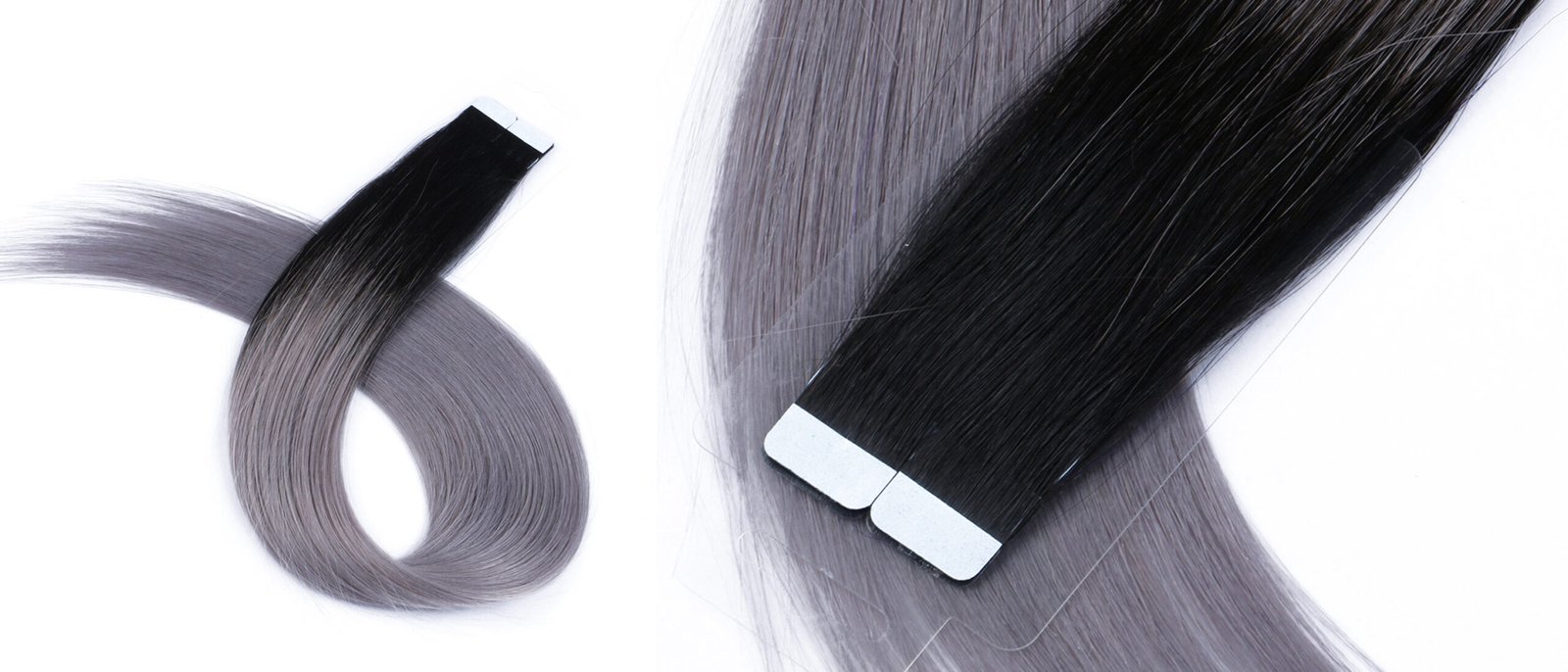
Seguire i passaggi per applicare e rimuovere le extension tape-in per ottenere i migliori risultati:
Come installare le estensioni Tape-In?
Se siete principianti o se utilizzate per la prima volta le extension con nastro adesivo, vi consigliamo di rivolgervi a un parrucchiere professionista per fissare le extension di capelli umani ai vostri capelli naturali per ottenere un aspetto ottimale.
Tuttavia, se siete esperte nell'uso delle extension, con un po' di impegno potete installare le tape-in da sole.
Materiali necessari:
Reddmoon Estensioni per capelli con nastro adesivo
Spazzola per capelli
Pettine per la coda o clip di sezionamento
Alcool isopropilico (per la pulizia)
Piastra per capelli (opzionale)
Spray per capelli (per una maggiore tenuta) (facoltativo)
1. Preparazione: È sempre meglio iniziare il processo di installazione delle extension tape-in con i capelli puliti e asciutti. Lavare i capelli 24 ore prima dell'applicazione delle extension per rimuovere eventuali accumuli di prodotto. Evitare l'uso di balsami o oli pesanti per mantenere l'adesivo pulito e sicuro.
Installazione della prolunga con nastro adesivo
2. Sezionare i capelli: per installare le estensioni tape-in, per prima cosa bisogna dividere i capelli e creare una riga orizzontale. Sezionare i capelli rende il processo di applicazione più facile e veloce. Utilizzate un pettine a coda o delle mollette per creare una riga a circa 15 cm dalla nuca.
3. Pulire l'area: Pulire la zona in cui verranno applicate le estensioni con un batuffolo di cotone imbevuto di alcol isopropilico. In questo modo si rimuovono eventuali accumuli di oli, prodotti o sporcizia e si garantisce una migliore adesione.
4. Applicare le extension: Le extension di capelli umani con nastro adesivo vengono fornite a sandwich, quindi 20 pezzi saranno 10 sandwich. Ricordate che dovete inserire i vostri capelli naturali tra questi pezzi per ottenere un look perfettamente omogeneo.
applicare le estensioni dei capelli
Come fare: Prendere un set o un sandwich di extension tape-in e staccare con cura il supporto. Posizionare l'extension sotto i capelli naturali, quindi prendere una seconda extension e staccare il suo supporto. Inserite i capelli naturali tra le due extension, assicurandovi che siano ben allineate. Premere con forza per fissarle insieme.
Suggerimento: Lasciate un po' di spazio (mezzo centimetro o meno) per far respirare le radici. Posizionate le extension tape-in leggermente al di sotto delle radici, lasciando lo spazio per sollevare le extension verso l'alto o verso il basso senza tirare il cuoio capelluto. Detto questo, alcune persone preferiscono attaccare le extension tape-in dalle radici, quindi fate quello che funziona meglio per voi.
5. Ripetere il processo: Continuare a sezionare e applicare le extension, lavorando fino a quasi la corona della testa. Ripetere l'operazione fino a posizionare tutte le extension, assicurandosi che siano uniformemente distanziate per creare un aspetto più naturale.
6. Acconciatura a piacere: Una volta installate, potete acconciare le extension come fareste con i vostri capelli naturali. Una piastra può aiutare a fondere i capelli naturali con le extension per ottenere una finitura perfetta. Tuttavia, ricordate che uno styling troppo caldo non è adatto né ai capelli naturali né alle extension.
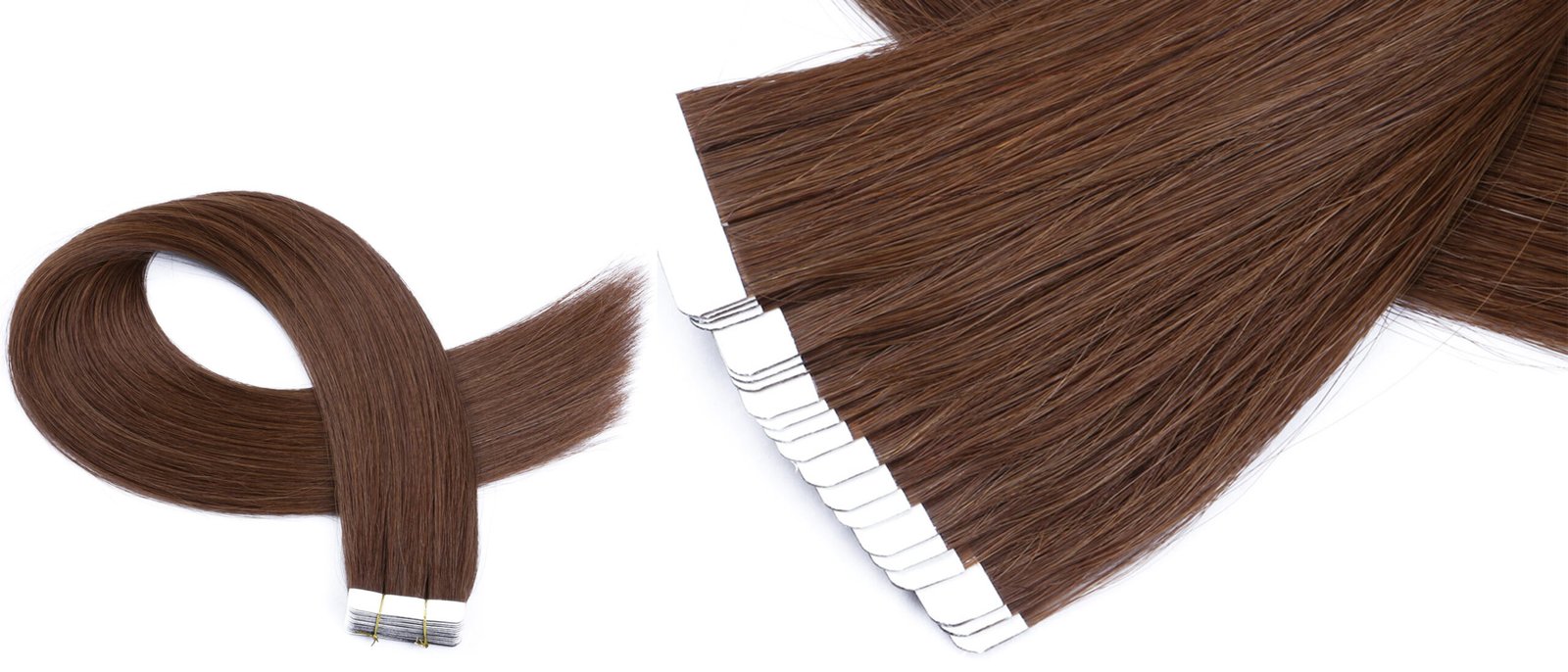
Dopo aver spiegato come installare le extension di capelli umani tape-in e quanto durano, parliamo di una parte cruciale del loro ciclo di vita: la rimozione. Sapere come rimuovere correttamente le extension tape-in può aiutare a prevenire danni ai capelli naturali.
Come rimuovere le extension con nastro adesivo?
Rimuovere le extension con il nastro adesivo può essere complicato se non viene fatto correttamente. Ecco alcuni consigli degli stilisti per una rimozione semplice, sicura ed efficace a casa per rimuovere anche i nastri più ostinati senza danneggiare i vostri capelli.
Nota: è possibile rimuovere le extension con nastro adesivo a casa, ma se non si è sicuri o si vogliono evitare danni, si consiglia di rivolgersi a un professionista.
Materiali necessari:
Soluzione di rimozione delle extension tape-in (o olio per bambini o olio di cocco)
Tamponi di cotone
Pettine di coda
Spazzola per capelli
Asciugamani
1. Preparazione: Iniziare con capelli puliti e asciutti.
2. Sezionare i capelli: iniziate a sezionare i capelli per tenerli organizzati. Utilizzate delle mollette per trattenere i capelli naturali, in modo da poter accedere facilmente alle estensioni con nastro adesivo.
3. Applicare il remover: Spruzzare un remover per legami a base di olio o adesivo. In alternativa, è possibile utilizzare batuffoli di cotone imbevuti di olio per bambini o olio di cocco per rimuovere in modo sicuro il nastro adesivo delle extension. Applicare il remover sull'area di fissaggio, saturandola bene per rompere l'adesivo.
4. Lasciare riposare: Lasciare riposare il solvente o il remover adesivo per alcuni minuti. Questo passaggio è fondamentale perché aiuta ad allentare l'adesivo e a rompere completamente il legame, disintegrandolo e facilitando la pulizia dei residui sui capelli.
5. Rimuovere delicatamente le extension: Staccare lentamente le extension di capelli umani con nastro adesivo, facendo attenzione a non tirare i capelli naturali. Con un pettine a coda, far scorrere delicatamente tra i capelli naturali e l'estensione con nastro adesivo, spazzolando i capelli più volte per rimuoverla dai capelli naturali. Staccare con cautela l'estensione dai capelli. Non strattonare o tirare con forza; se si maneggia in modo brusco, si possono causare danni, calvizie e caduta dei capelli.
Rimuovere le estensioni
6. Pulire i residui: Se rimane dell'adesivo sui capelli naturali, utilizzare un altro remover e un batuffolo di cotone per pulirlo delicatamente. Continuate a ripetere questo procedimento finché tutto l'adesivo del nastro non sarà stato rimosso dai capelli.
7. Trattare i capelli: dopo la rimozione, lavare accuratamente i capelli con uno shampoo e un balsamo adatti alle parrucche per rimuovere i residui della soluzione detergente oleosa. Considerate di dare ai vostri capelli naturali un po' di amore in più. Una maschera nutriente o un trattamento di condizionamento profondo possono aiutare a ripristinare l'idratazione e a proteggere i capelli.
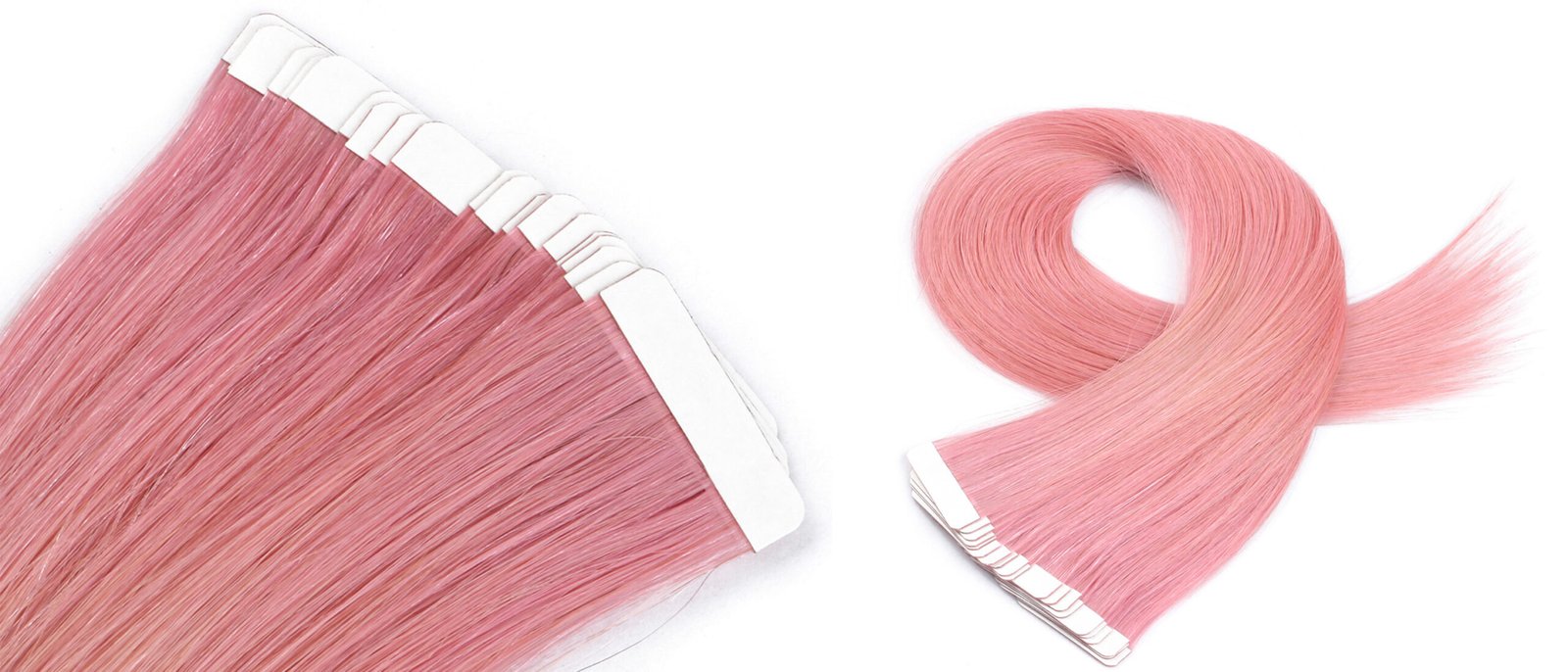
Suggerimenti per la manutenzione
Evitare il calore sul nastro: Quando si acconciano i capelli, cercare di tenere il calore lontano dall'area del nastro per prolungare la durata del legame.
Utilizzare uno shampoo senza solfati: Aiuta a prevenire la rottura prematura dell'adesivo.
Non usate balsamo o siero vicino alle radici: L'idratazione dell'area di attaccamento è assolutamente da evitare. Le extension scivoleranno e cadranno.
Riapplicare ogni 6-8 settimane: Le extension tape-in possono essere riapplicate una volta rimosso il vecchio adesivo. Tuttavia, si tratta di un processo completamente diverso rispetto all'applicazione iniziale, poiché i nastri non sono più presenti sui capelli, quindi è necessario sostituire il nastro per la riapplicazione.
Quando rilavare o riattaccare le extension per capelli con il nastro adesivo
Uno dei vantaggi delle extension tape-in è la loro capacità di essere riutilizzate più volte. Questo funziona perfettamente per le persone che vogliono massimizzare l'uso delle loro extension. Il rapporto qualità-prezzo è letteralmente vantaggioso!
Man mano che i capelli naturali crescono, potrebbe essere necessario riposizionare o fissare nuovamente le extension per mantenere un aspetto omogeneo. In genere, le estensioni tape-in devono essere riattaccate ogni 4-6 settimane. Questa manutenzione aiuta a evitare che le extension appesantiscano e tirino i capelli naturali. Quando il nastro inizia ad allentarsi o le extension diventano irregolari, è il momento di rifare il nastro.